
The perimeter is where air behaviour meets architecture.
PASSAIR develops perimeter-based technologies designed around how air and particles behave at the boundaries of occupied space.
Air does not behave uniformly in a room.
At walls, floors, ceilings and edges, airflow changes. It slows, turns, separates and interacts with surfaces. Particles respond to those conditions too.
Conventional architecture largely treats these zones as finishing details. PASSAIR treats them as potential environmental infrastructure.
That makes the perimeter an opportunity.
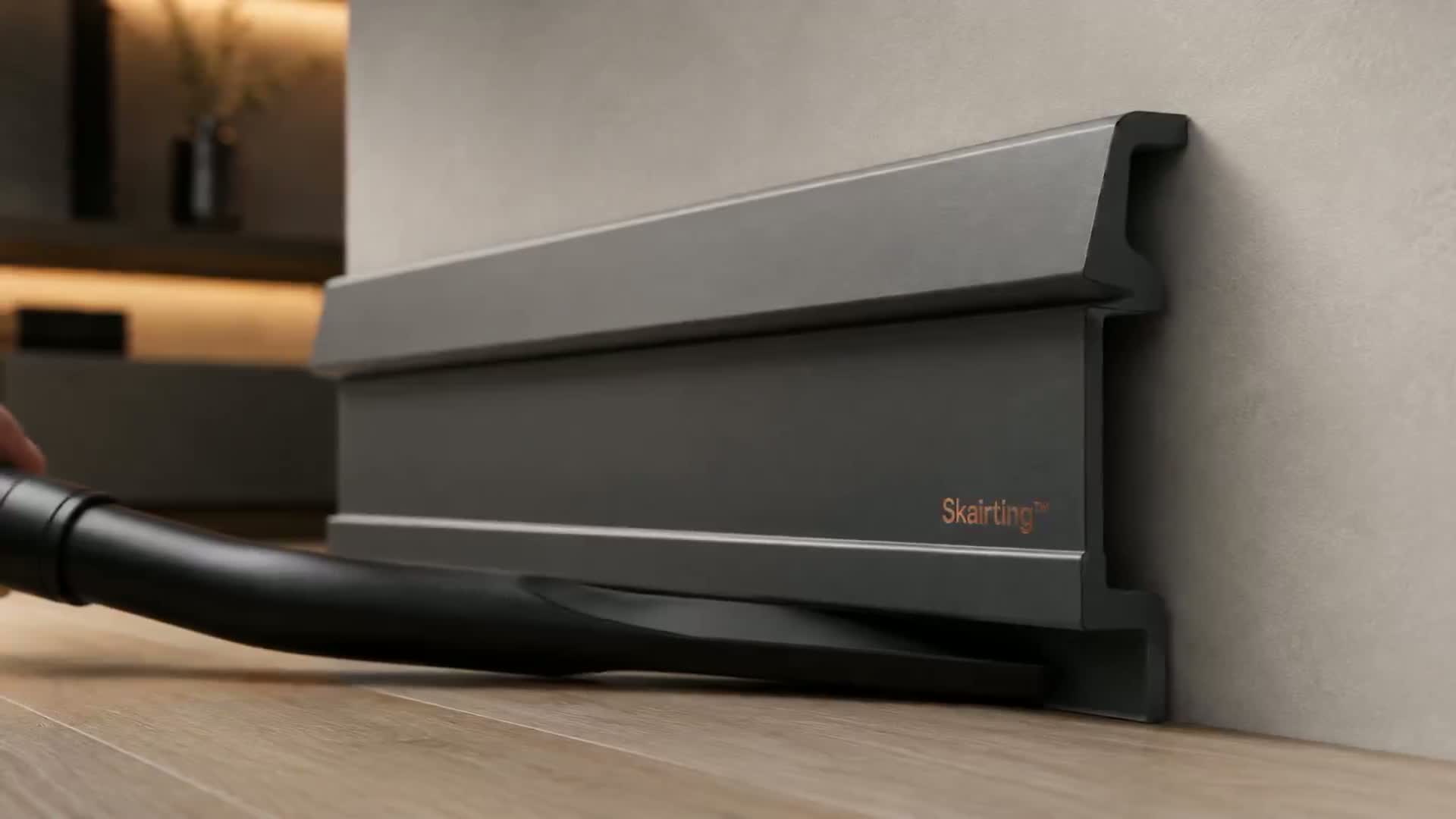
We all know that skirting boards get dusty.
That’s because of airflow.
We design for that.
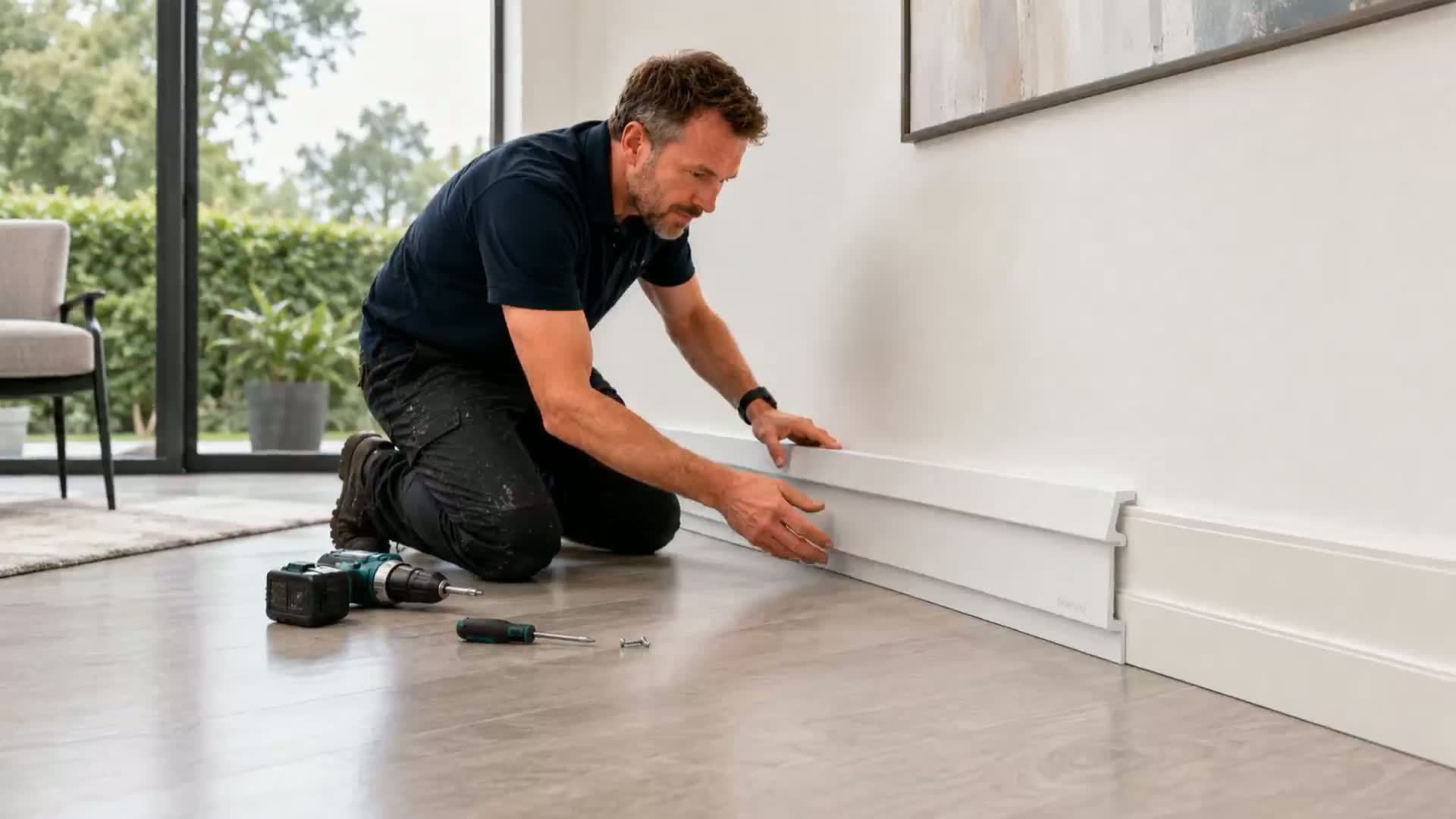
SKAIRTING™
Designed for dust.
Traditional skirting finishes the junction between wall and floor. Skairting™ asks whether that same architectural perimeter can perform an environmental function.
Dust accumulation at skirting level is a visible consequence of particle transport and airflow near the lower boundary. We design around that behaviour rather than ignoring it.
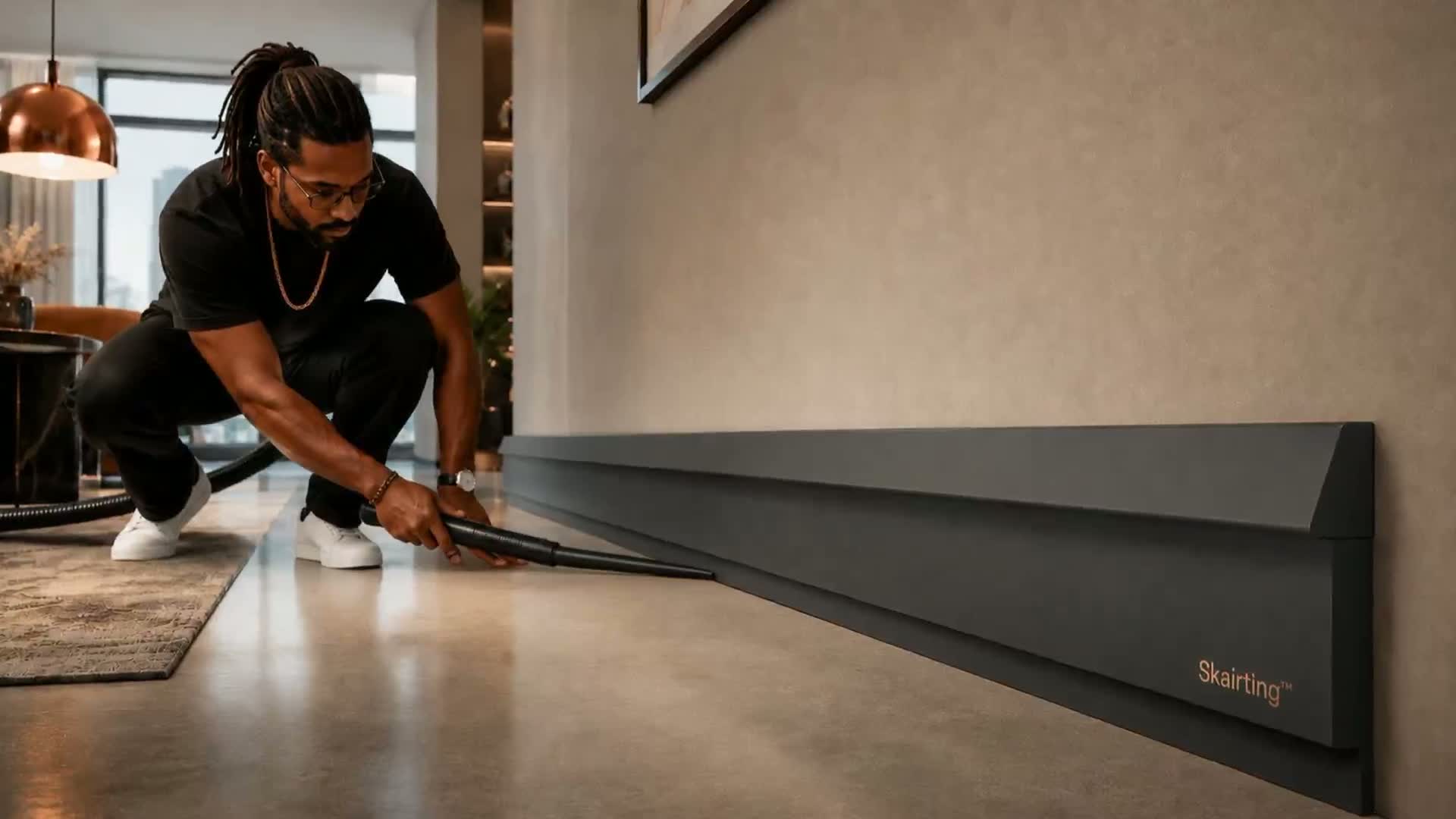
Skairting™ — lower perimeter profile study
Computational modelling of particle behaviour at the lower perimeter.
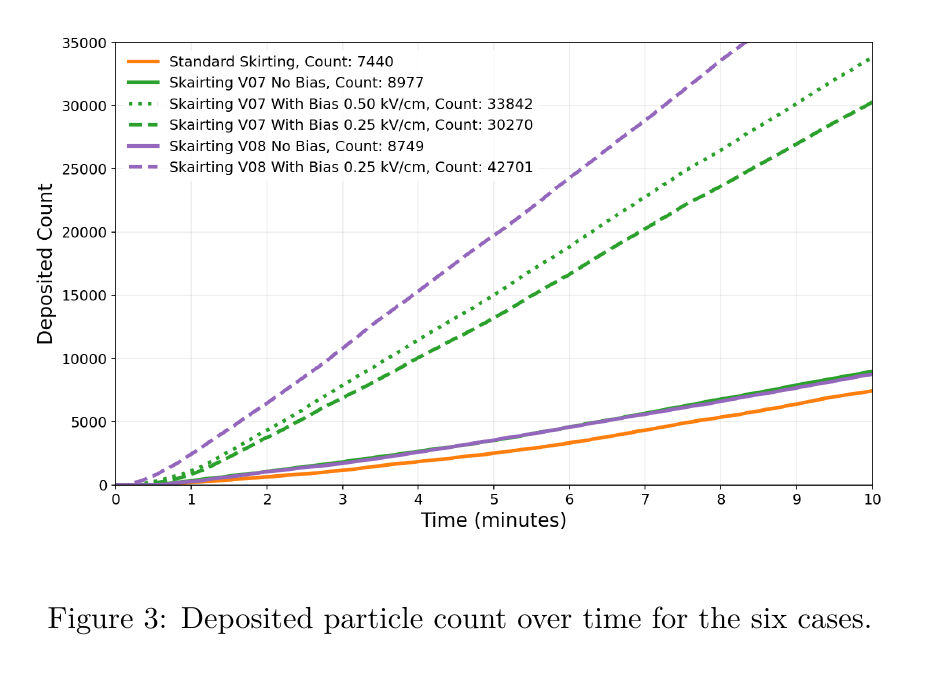
5.7×
More particle retention
Our modelling shows that Skairting™ attracts and retains approximately 5.7 times the particulate of a standard skirting board.
And capture is only part of the story. Retaining particles at the perimeter can also reduce their opportunity for resuspension back into occupied air.
Computational fluid dynamics · comparative geometry · in development
Capture is useful.
Retention matters too.
Particles that settle onto ordinary surfaces can be disturbed and returned to the air through movement, cleaning, doors, people and changing airflow.
A perimeter system designed to retain particulate creates the opportunity to manage that material where it accumulates rather than repeatedly allowing it to re-enter occupied air.
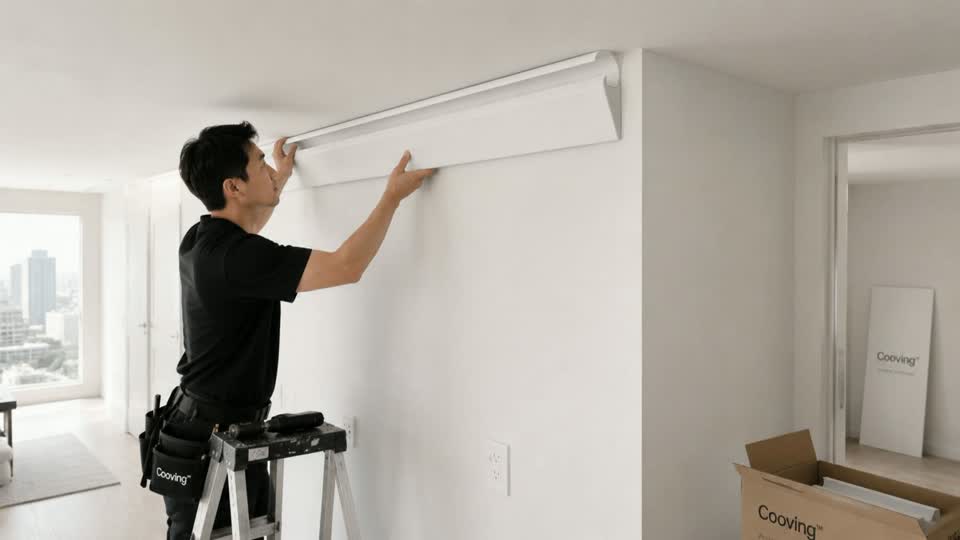
The opportunity doesn’t stop at the floor.
The wall-ceiling junction is another continuous architectural boundary where airflow changes direction and interacts with surfaces.
COOVING™
Designing the upper perimeter.
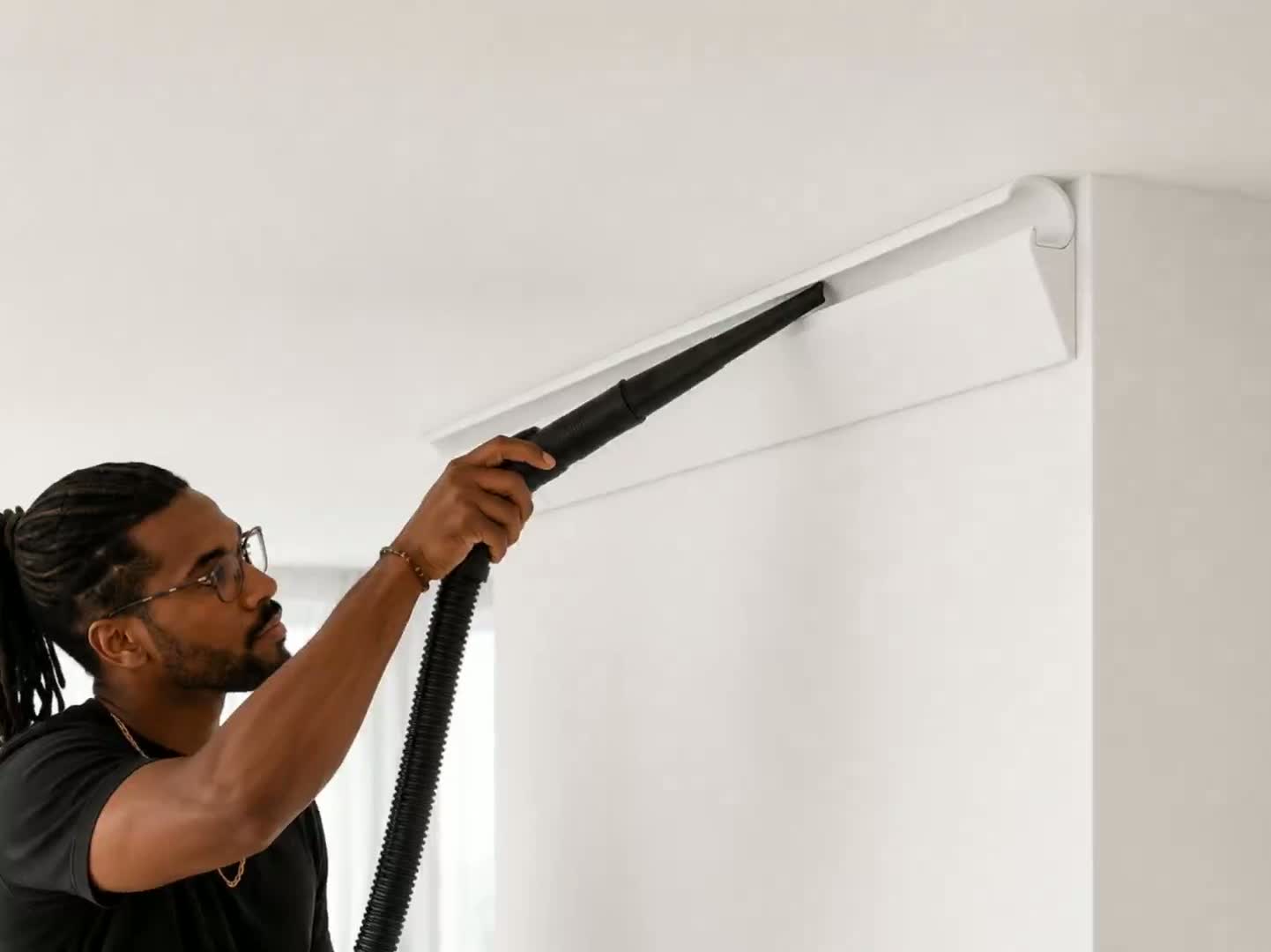
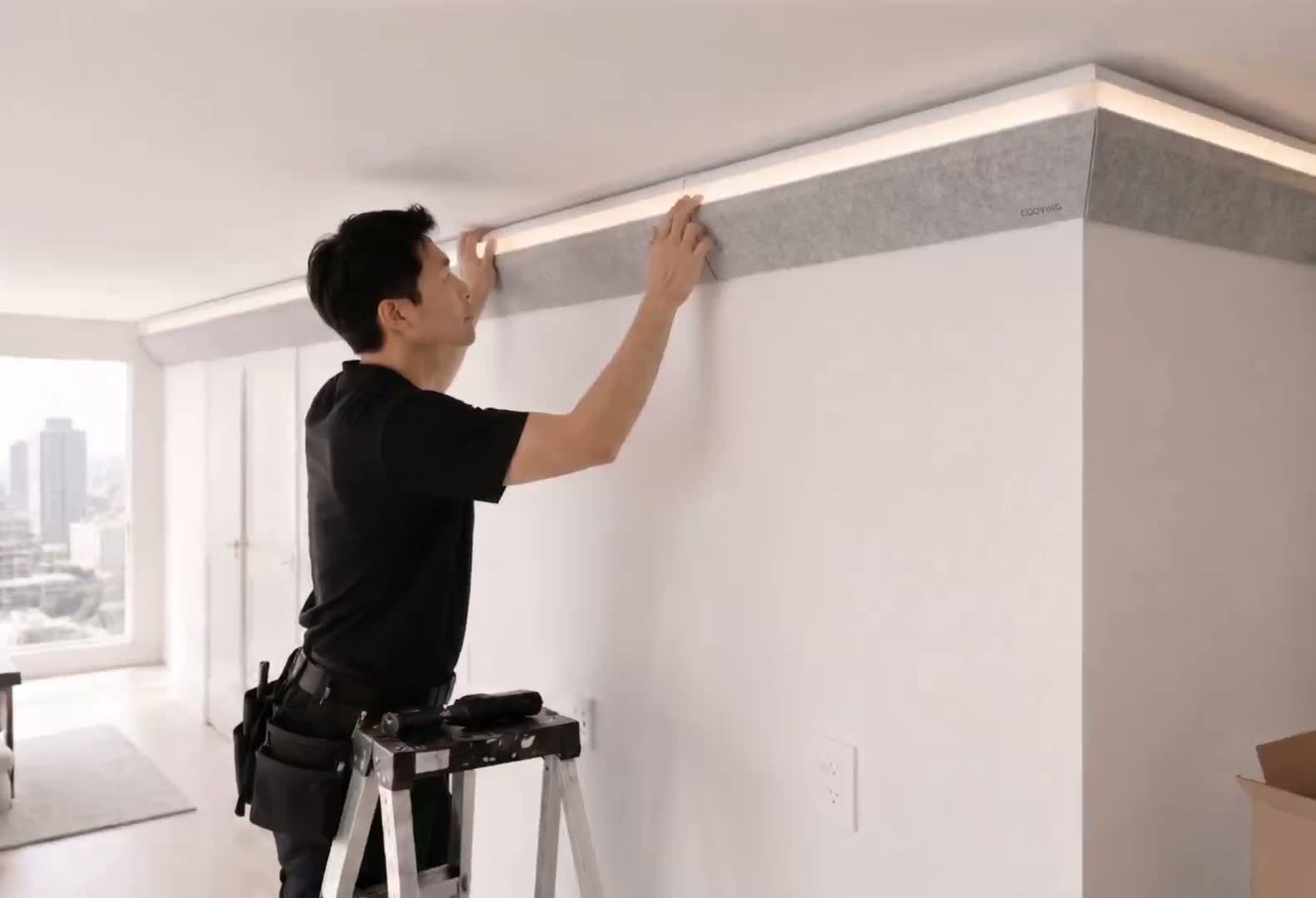
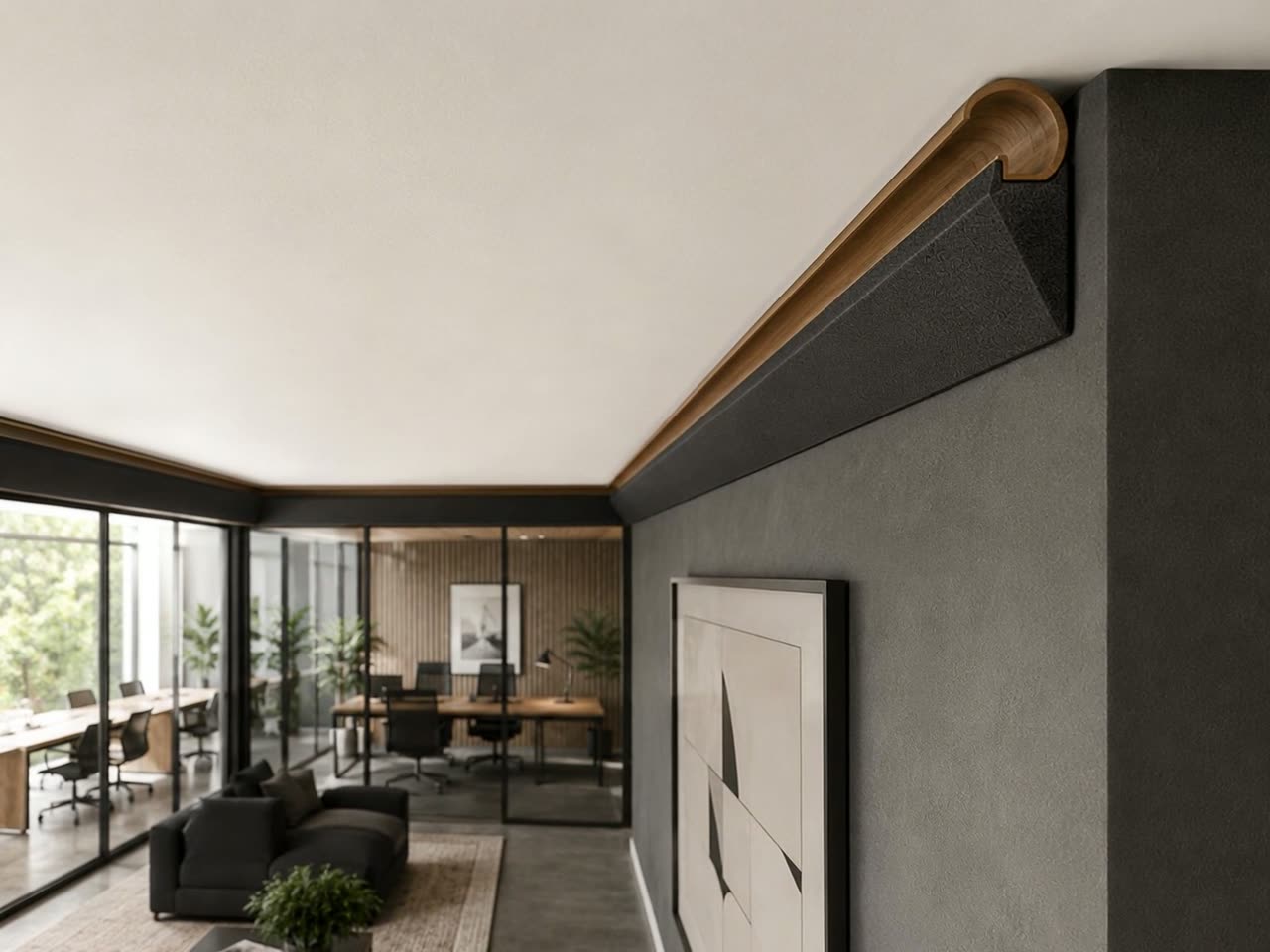
Cooving™ explores how the upper perimeter of a room can become part of the environmental system. Geometry, surface area and the wall-ceiling boundary can be designed around the movement and interaction of air and particulate.
Acoustic functionality can be integrated where appropriate, but the opportunity is broader: to turn previously passive perimeter architecture into functional environmental infrastructure.
Not an acoustic product with an air claim.
Upper-perimeter environmental architecture.
We are developing patent-protected perimeter systems.
Perimetair™
Perimetair™ extends the PASSAIR perimeter principle beyond skirting and coving.
We are developing patent-protected perimeter systems for windows, doors, rails and other continuous boundaries around indoor spaces.
- Windows
- Door surrounds
- Rails
- Architectural edges
- Continuous boundary features
- Other perimeter elements around occupied indoor environments
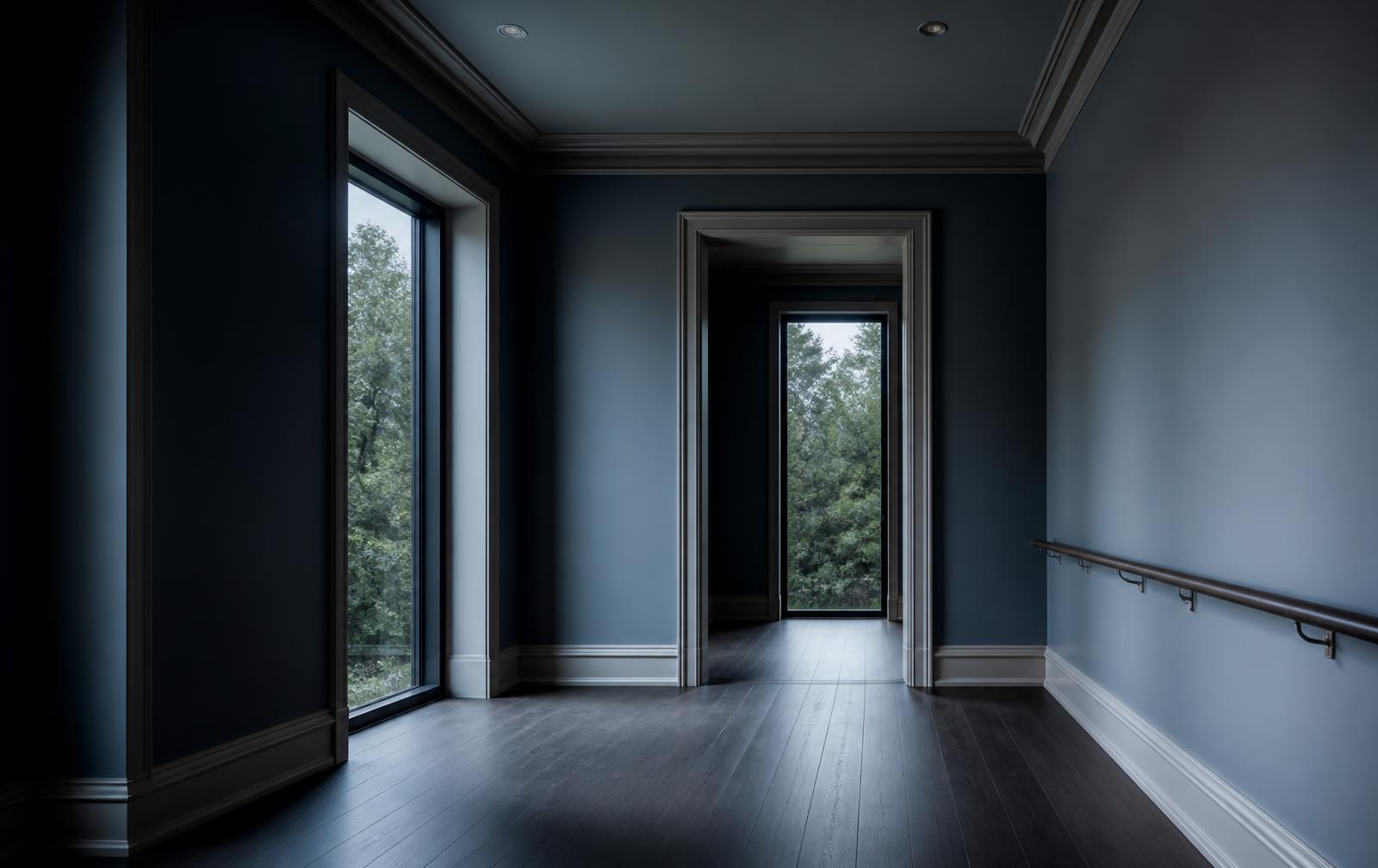
Perimeter is a network of architectural boundaries throughout the space.
The perimeter is bigger than the floor and ceiling.
PASSAIR is developing a family of perimeter technologies designed to integrate particle interaction, capture and environmental function into architectural boundaries that already exist throughout indoor spaces.
Patent pending technology
The perimeter is already everywhere.
Every room contains metres of continuous wall-floor and wall-ceiling boundary.
Instead of adding another device into occupied space, perimeter technology can integrate environmental function into architecture that already needs to exist.
Perimeter technology does not replace ventilation, filtration or HVAC. It is another layer within the indoor environmental system.
Infrastructure without another appliance.
Passive first.
Where useful environmental effects can be created through airflow, geometry, materials, surface behaviour or passive forces, PASSAIR begins there.
Power should be added because it creates necessary value, not because every air-quality intervention needs another fan.
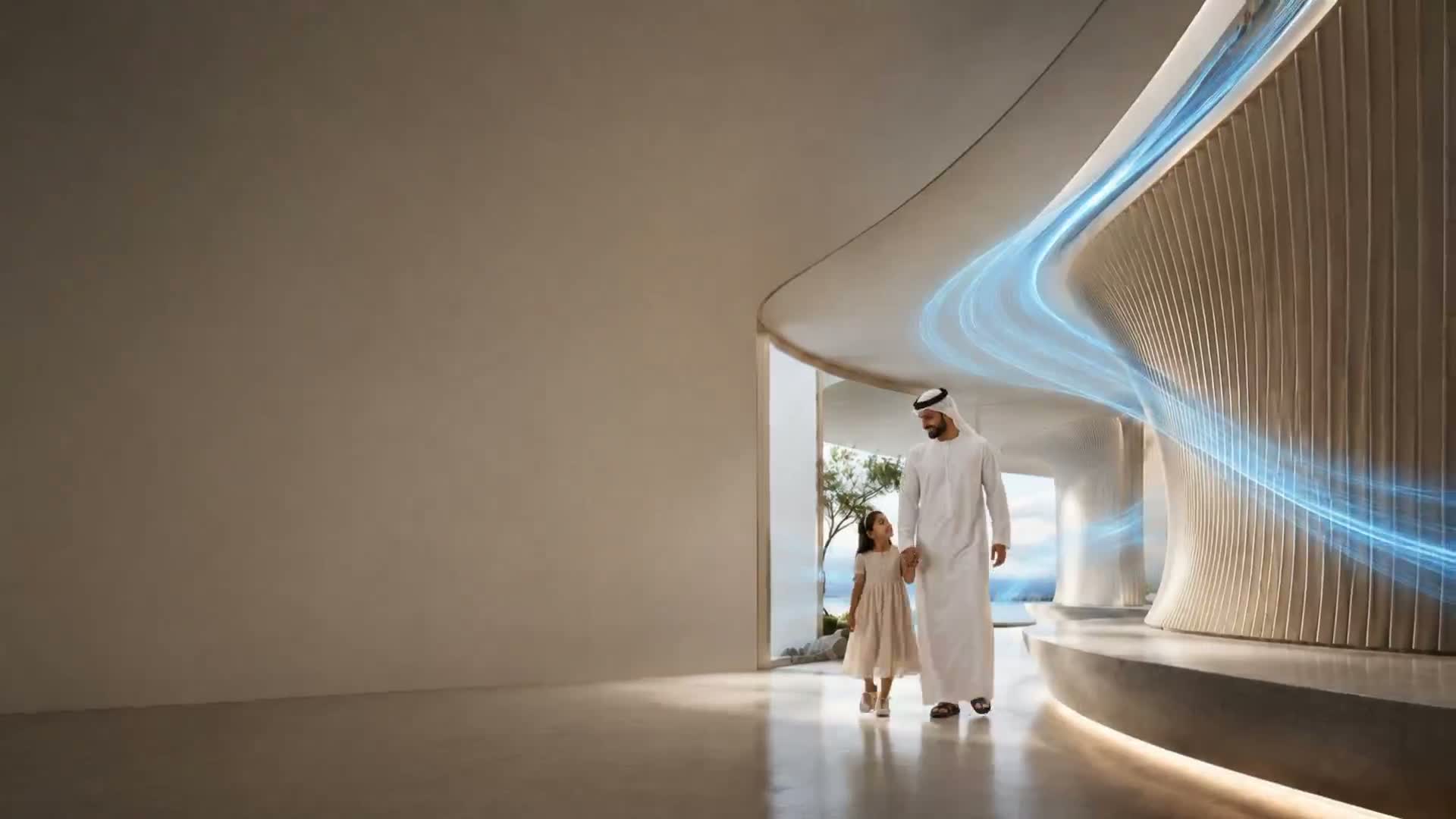
Developing the future of indoor air technology.
PASSAIR is working with industry specialists and scientists to develop, test and refine new approaches to indoor environmental technology.
From materials and particle behaviour to architecture, airflow and real-world integration, the technology is being developed across disciplines.
- 01
Model
- 02
Test
- 03
Refine
- 04
Integrate
- 05
Verify
PASSAIR technologies are being developed through computational modelling, specialist review, physical testing and industry collaboration — progressing through development rather than existing as conceptual renderings alone.
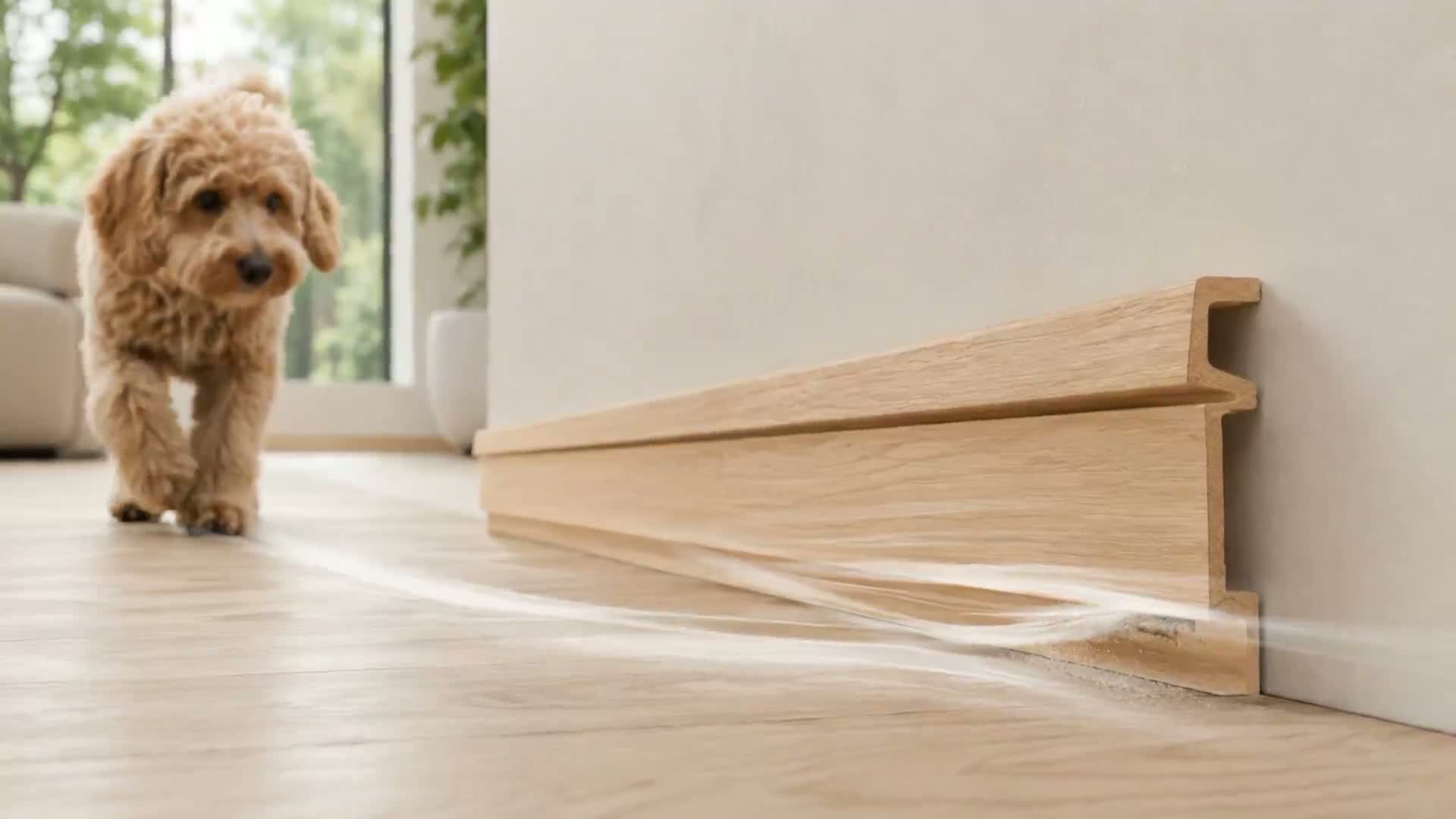
The building perimeter has always interacted with air.
We are designing it to do something useful.
PASSAIR is developing a new generation of perimeter-based environmental technologies designed around the way air and particles actually behave.